People · Systems Library
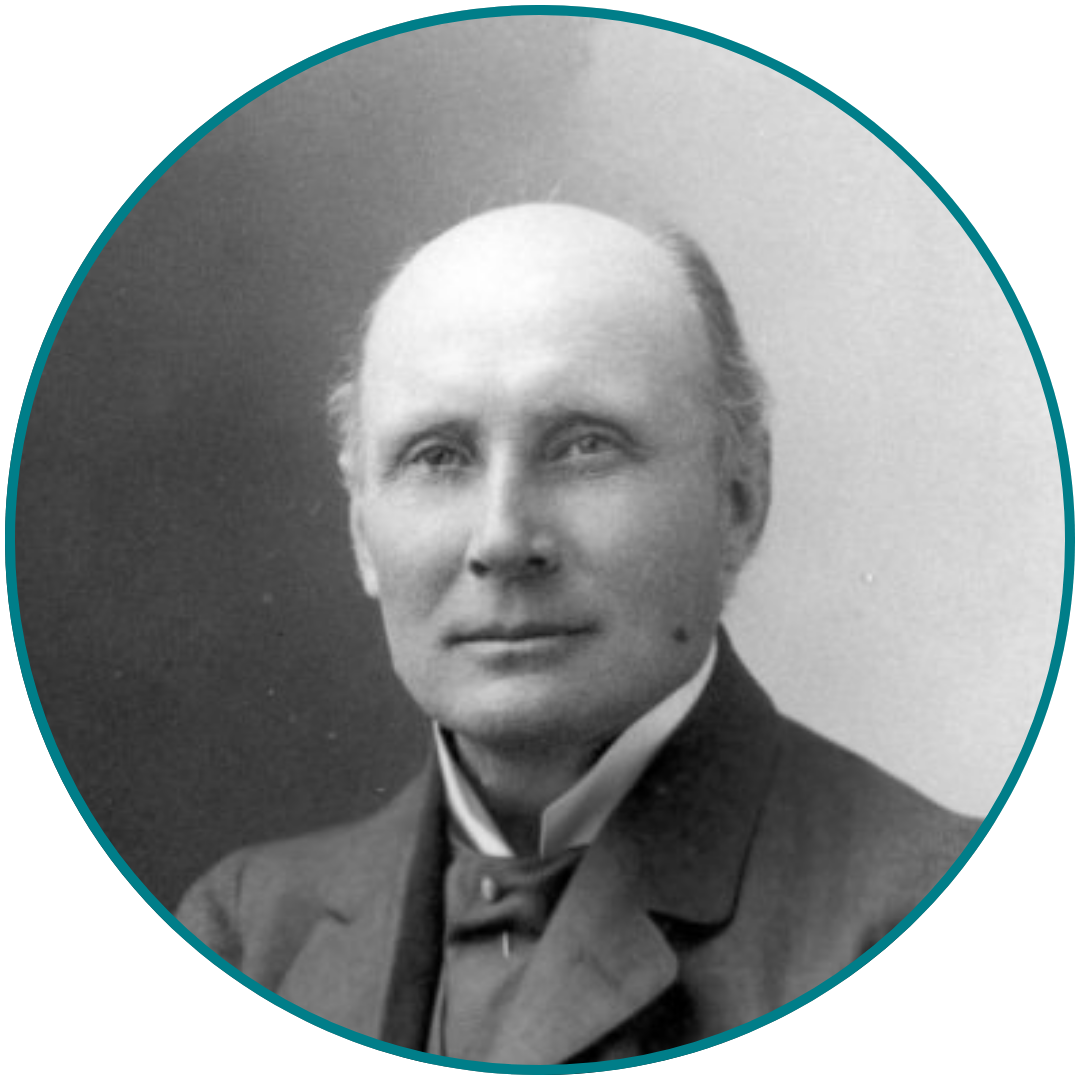
Alfred North Whitehead
Alfred North Whitehead developed a process-oriented philosophy that understood reality as dynamic, relational, and continually becoming rather than static and fixed.
Visit their website ↗Alfred North Whitehead was a mathematician and philosopher whose process philosophy emphasized change, relationship, and emergence as foundational aspects of reality. His work influenced systems thinking, ecology, organizational theory, and complexity science.
Alfred North Whitehead was a philosopher and mathematician whose work challenged mechanistic worldviews that treated reality as composed of isolated, static objects. Instead, Whitehead developed process philosophy: a relational understanding of existence in which events, interactions, and continual becoming form the foundation of reality.
In Whitehead’s view, entities cannot be fully understood independently of their relationships and histories. Everything exists within processes of change, influence, adaptation, and emergence. Stability itself is temporary — an ongoing pattern sustained across time rather than a fixed condition.
His work deeply influenced later developments in systems theory, ecology, complexity science, organizational learning, and relational philosophy. Whitehead emphasized that understanding requires attention to process, context, interaction, and temporal evolution rather than isolated fragments.
Rather than viewing knowledge as static representation, Whitehead treated understanding as participatory engagement within living processes.
Relevance to Knowledge Flow
Whitehead’s process-oriented worldview aligns profoundly with Knowledge Flow.
Knowledge is not static information stored independently of life and experience. It emerges through relationships, interpretation, interaction, adaptation, and time. Systems themselves are not fixed objects but evolving processes shaped by continual feedback and participation.
Whitehead’s work helps illuminate why reductionist approaches often fail in complex environments: because living systems cannot be fully understood through isolated parts alone. Knowledge Flow depends on perceiving relationships, emergence, and becoming across time.