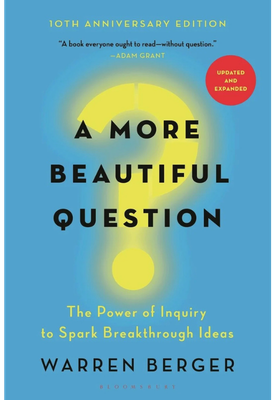
Book
The Power of Inquiry to Spark Breakthrough Ideas
Warren Berger
Questions shape what we notice, pursue, and understand. A More Beautiful Question explores how inquiry drives learning, creativity, innovation, and change.

Book
Towns, Buildings, Construction
Christopher Alexander
Living environments emerge from recurring patterns that support human use and adaptation. A Pattern Language offers a generative system of design knowledge connecting towns, buildings, rooms, and human life.
Knowledge Flow
- Patterns & Temporal Intelligence
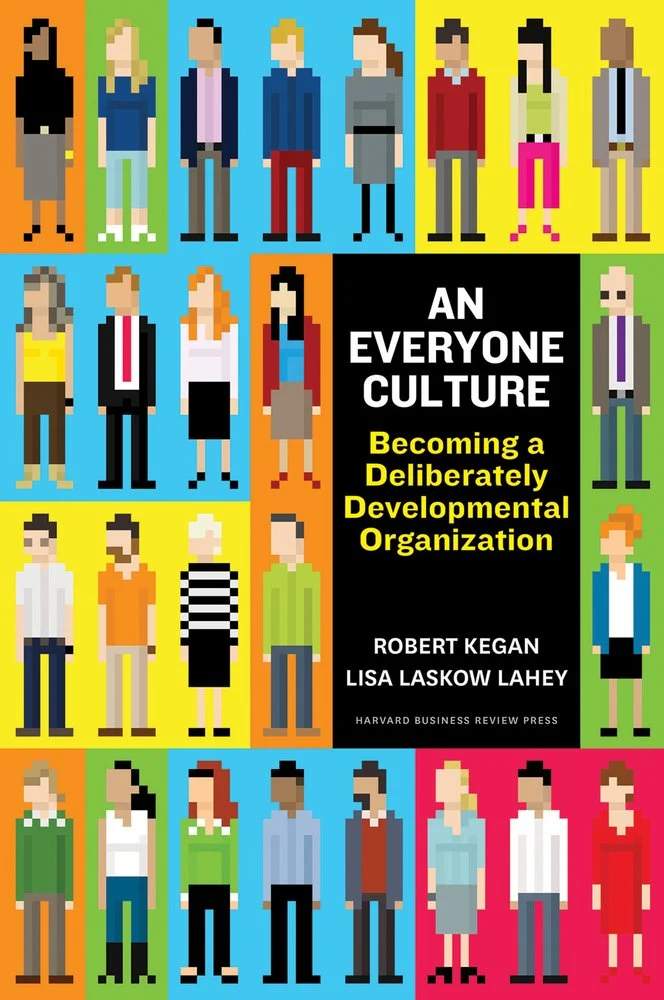
Book
Becoming a Deliberately Developmental Organization
Robert Kegan, Lisa Lahey
Organizations can be designed as places where people grow while doing the work. An Everyone Culture studies deliberately developmental organizations that treat human development as core infrastructure.
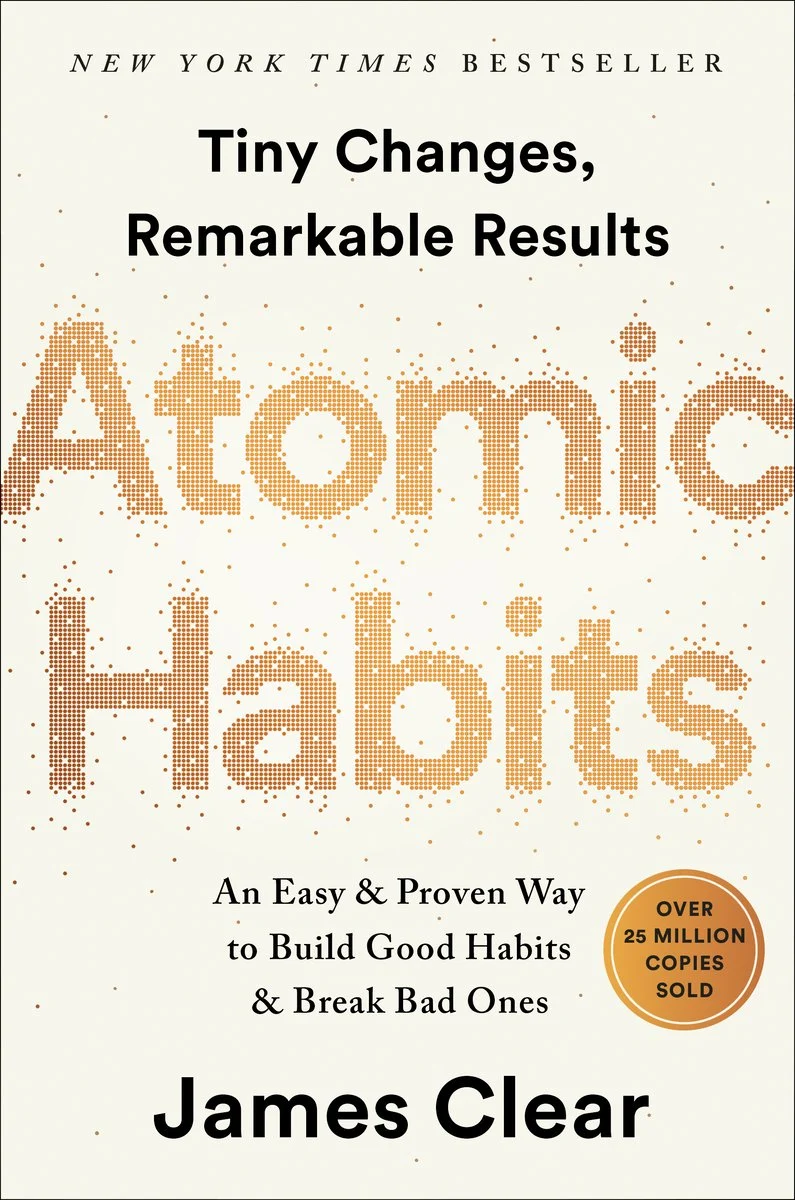
Book
An Easy & Proven Way to Build Good Habits & Break Bad Ones
James Clear
Small repeated actions shape long-term outcomes. Atomic Habits explains how identity, environment, cues, and feedback loops can be designed to support durable behavioral change.
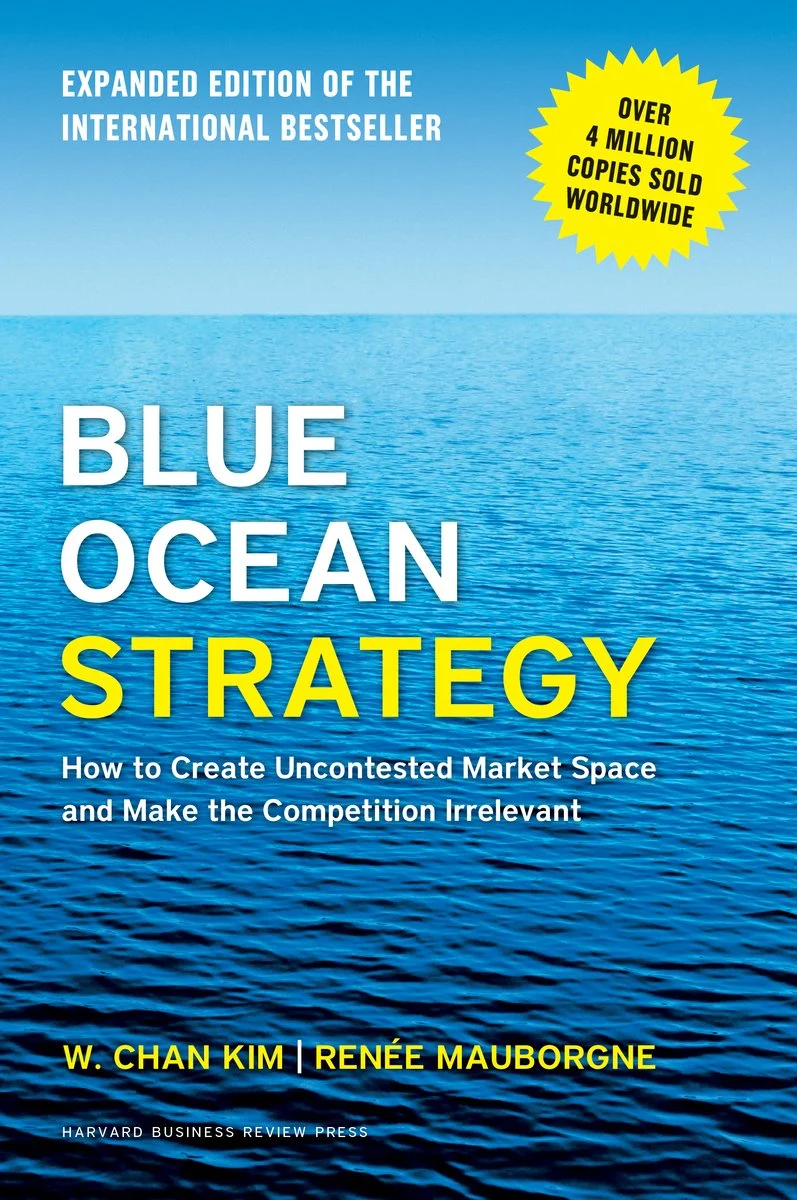
Book
How to Create Uncontested Market Space and Make the Competition Irrelevant
W. Chan Kim, Renée Mauborgne
Competition is not the only path to strategy. Blue Ocean Strategy argues that organizations can create new value by reframing markets, customers, and tradeoffs rather than fighting within existing boundaries.
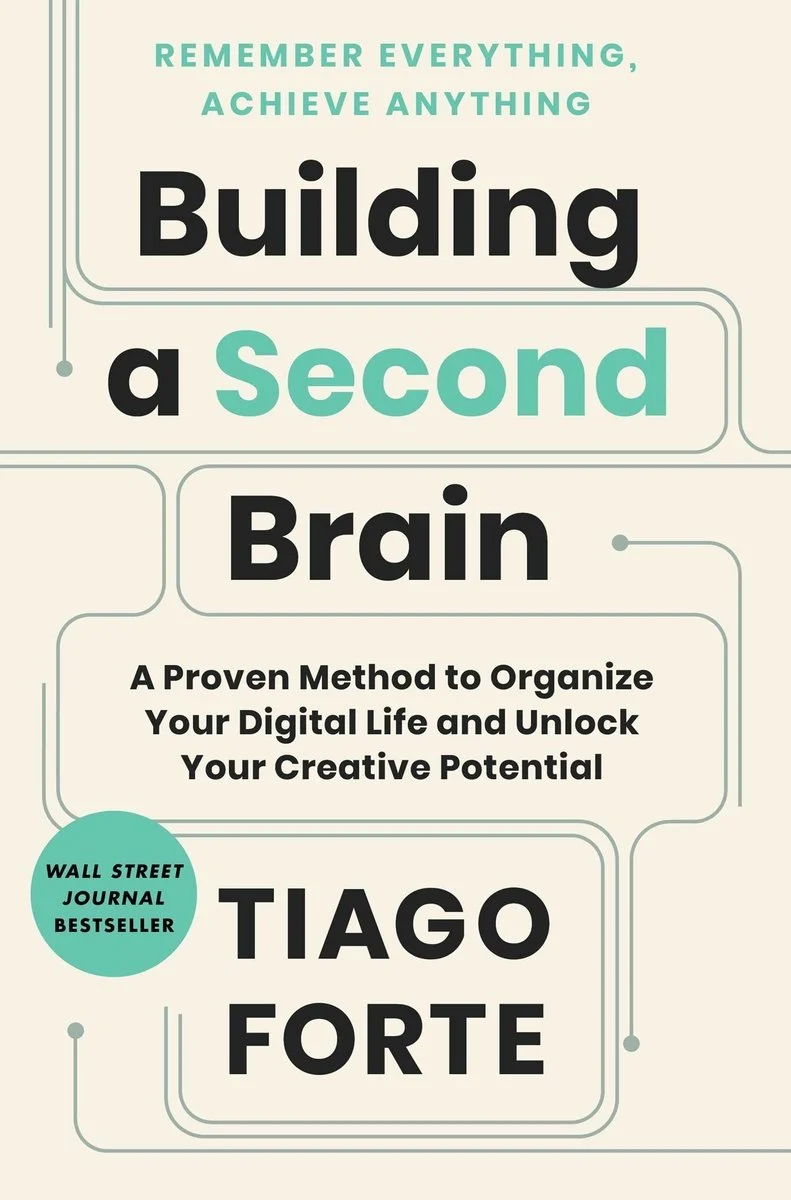
Book
A Proven Method to Organize Your Digital Life and Unlock Your Creative Potential
Tiago Forte
Personal knowledge systems can extend memory, creativity, and learning. Building a Second Brain provides practical methods for capturing, organizing, distilling, and expressing knowledge over time.
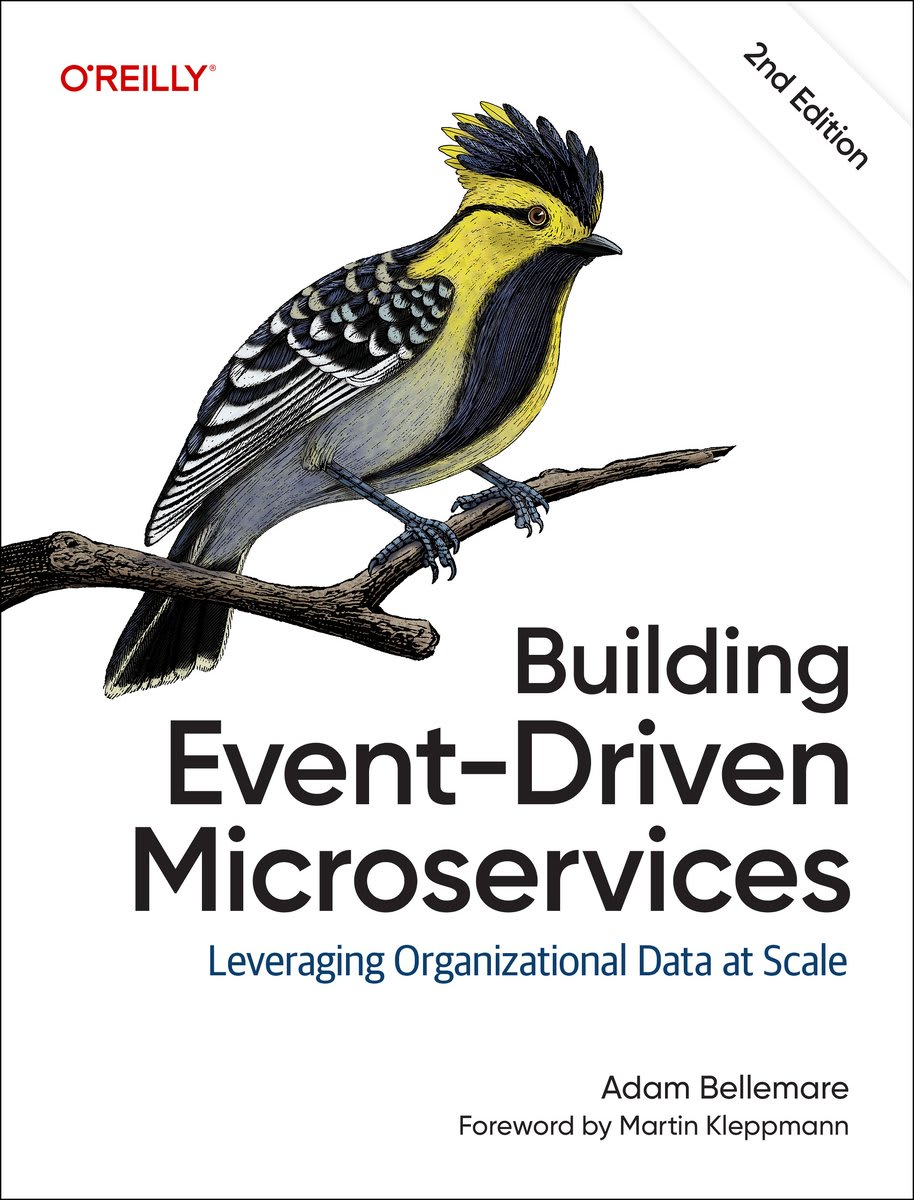
Book
Leveraging Organizational Data at Scale
Adam Bellemare
A practical guide to designing systems around events, enabling coordination, state, and behavior to emerge over time.
Knowledge Flow
- Patterns & Temporal Intelligence · contextualizes
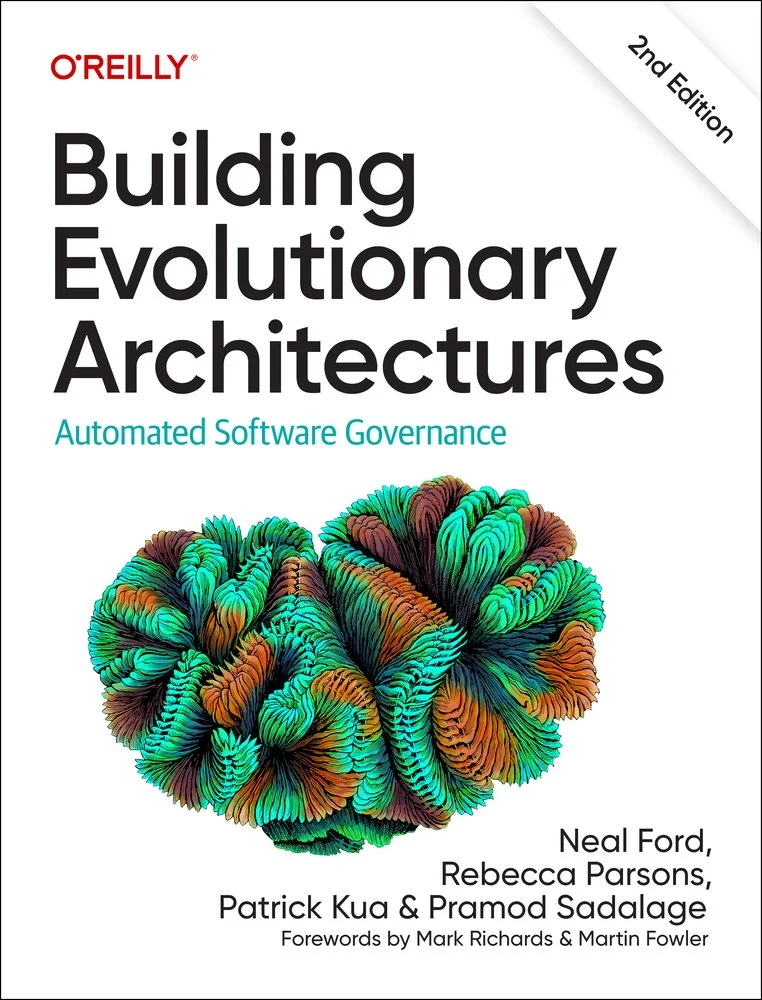
Book
Automated Software Governance
Neal Ford, Rebecca Parsons, Patrick Kua
Architecture must evolve as systems, organizations, and environments change. Building Evolutionary Architectures provides practices for supporting constant change without losing coherence.
Knowledge Flow
- Patterns & Temporal Intelligence
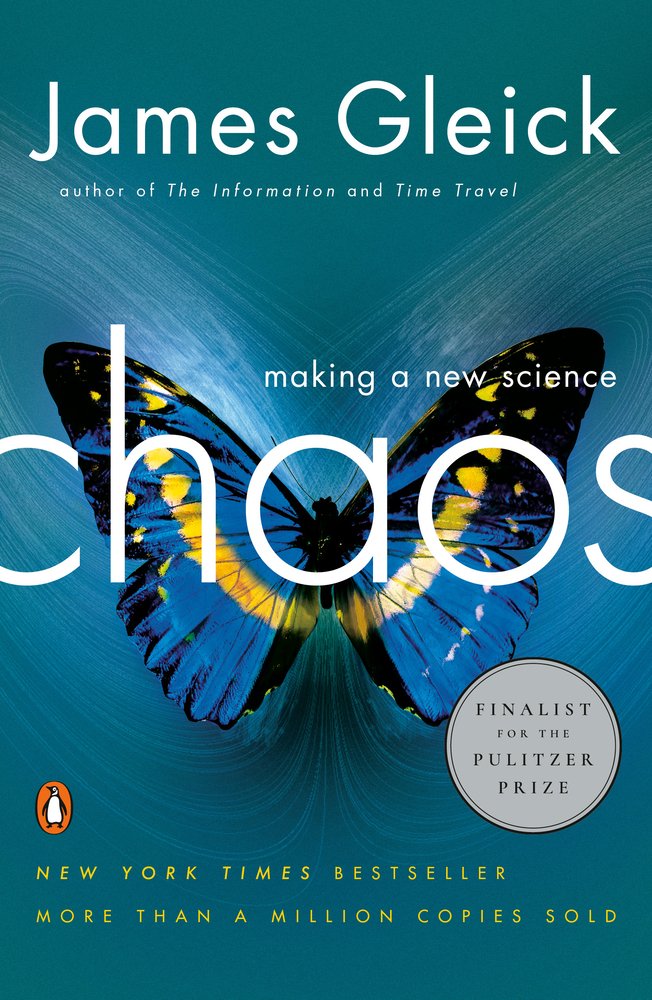
Book
Making a New Science
James Gleick
Complex systems can be deterministic and still unpredictable. Chaos introduces nonlinear dynamics, sensitivity to initial conditions, and the hidden patterns within apparent disorder.
Knowledge Flow
- Patterns & Temporal Intelligence
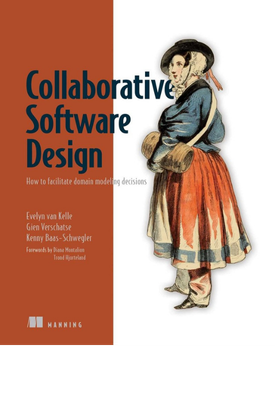
Book
How to facilitate domain modeling decisions
Kenny Baas-Schwegler, Gien Verschatse, Evelyn van Kelle
Good software design requires groups to make domain decisions together. Collaborative Software Design teaches facilitation practices for modeling conversations that surface knowledge, conflict, and shared understanding.
Knowledge Flow
- Knowledge Architecture
- Knowledge Structures · contextualizes
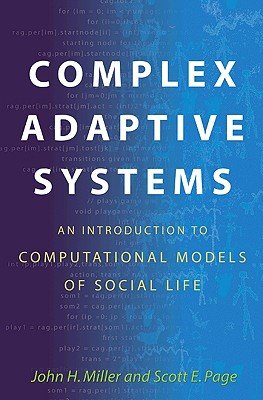
Book
An Introduction to Computational Models of Social Life
John H. Miller, Scott E. Page
Complex adaptive systems are made of agents whose interactions create large-scale patterns. Miller and Page introduce computational models for understanding adaptation, emergence, and social complexity.
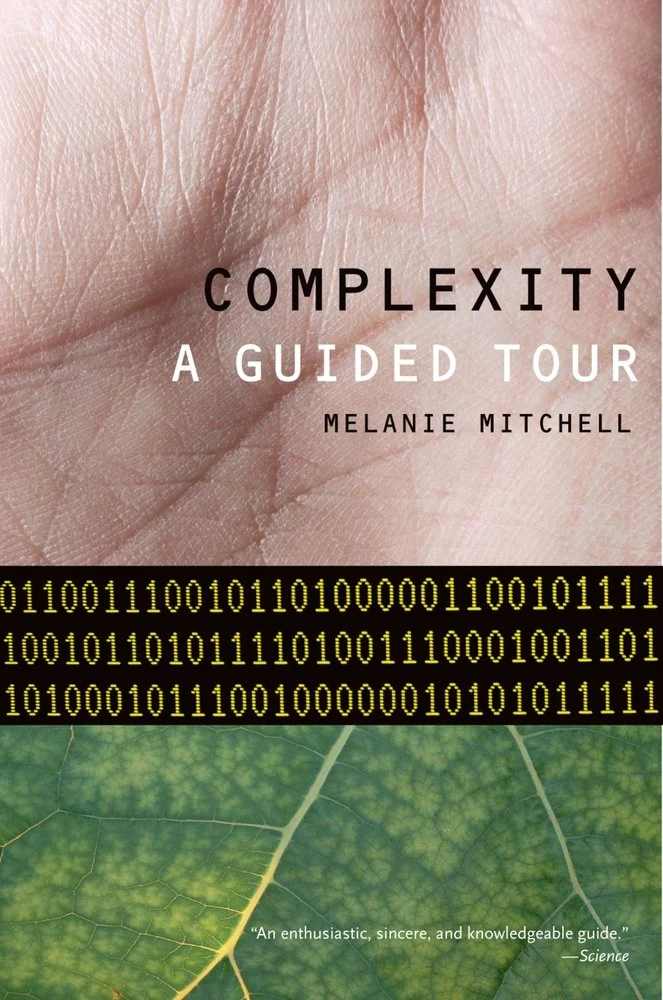
Book
A Guided Tour
Melanie Mitchell
Complex systems produce surprising patterns from many interacting parts. Complexity introduces the science of complex systems across computation, biology, evolution, networks, and adaptation.
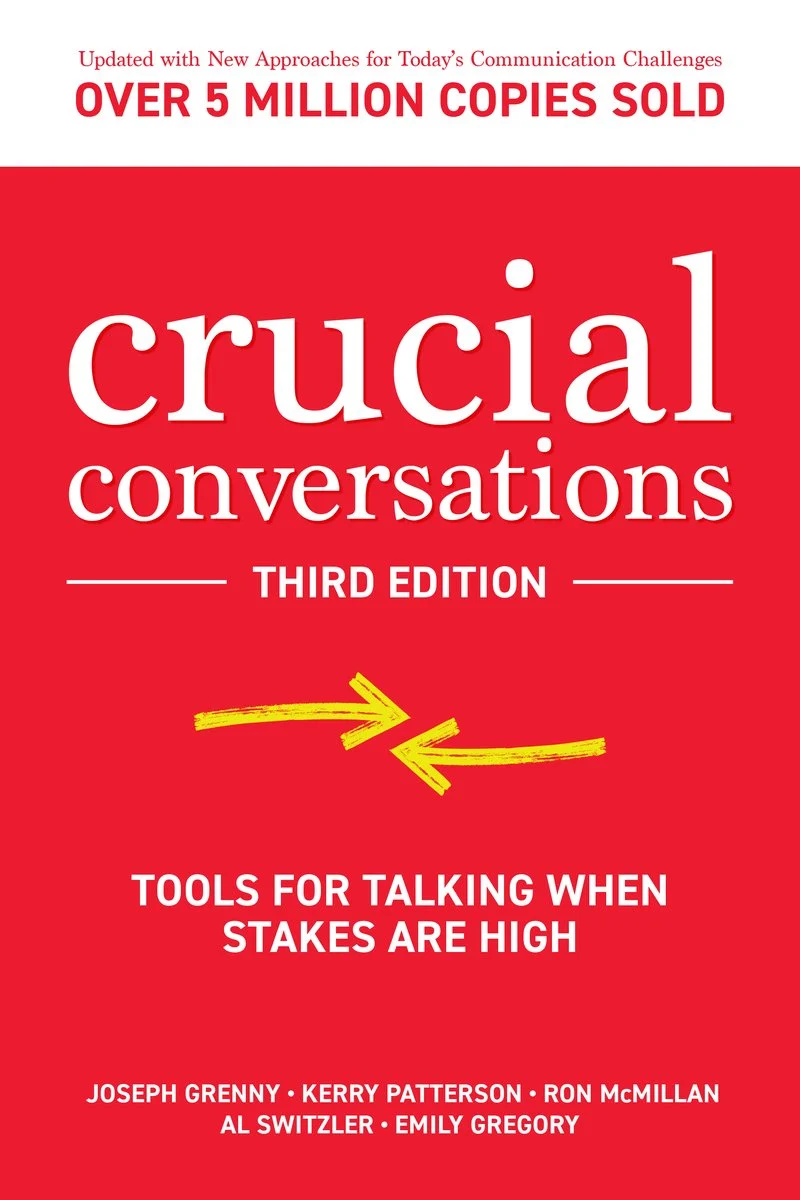
Book
Tools for Talking When Stakes Are High
Kerry Patterson, Joseph Grenny, Ron McMillan, Al Switzler
High-stakes conversations often determine whether knowledge moves or gets trapped. Crucial Conversations offers practices for speaking honestly while preserving safety, relationship, and shared purpose.
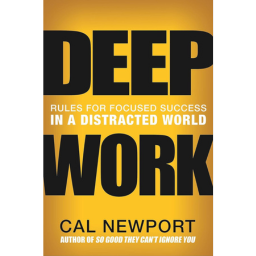
Book
Rules for Focused Success in a Distracted World
Cal Newport
Deep Work argues that the ability to focus without distraction on cognitively demanding tasks is a rare and increasingly valuable skill—and one that can be deliberately trained to produce better work in less time.
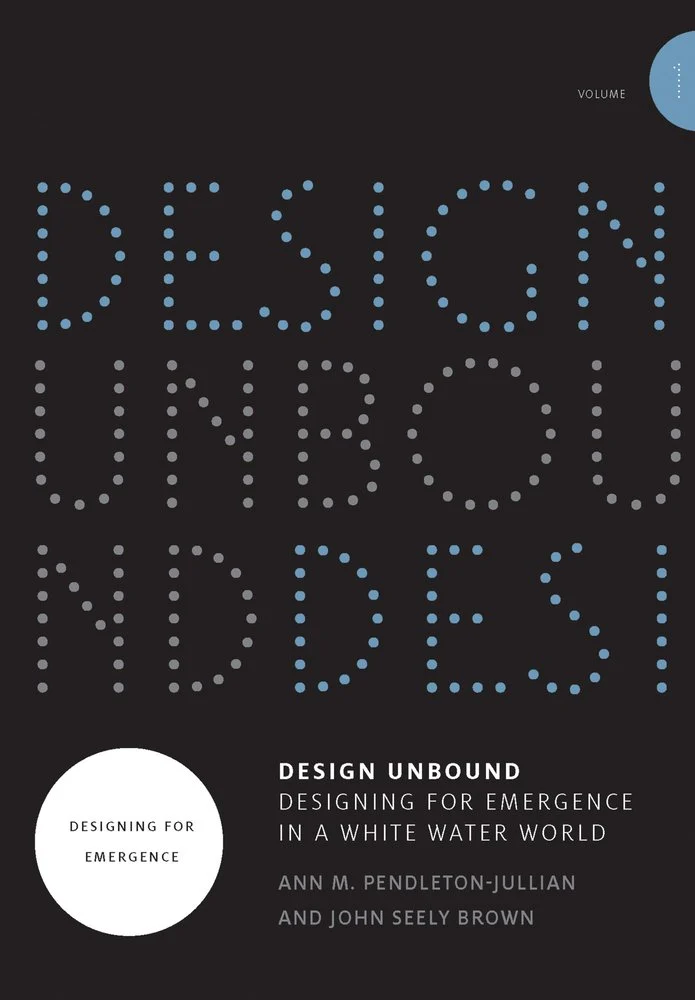
Book
Designing for Emergence in a White Water World
Ann M. Pendleton-Jullian, John Seely Brown
A systems-oriented exploration of design as an adaptive, participatory practice for shaping complex living environments rather than controlling static objects.
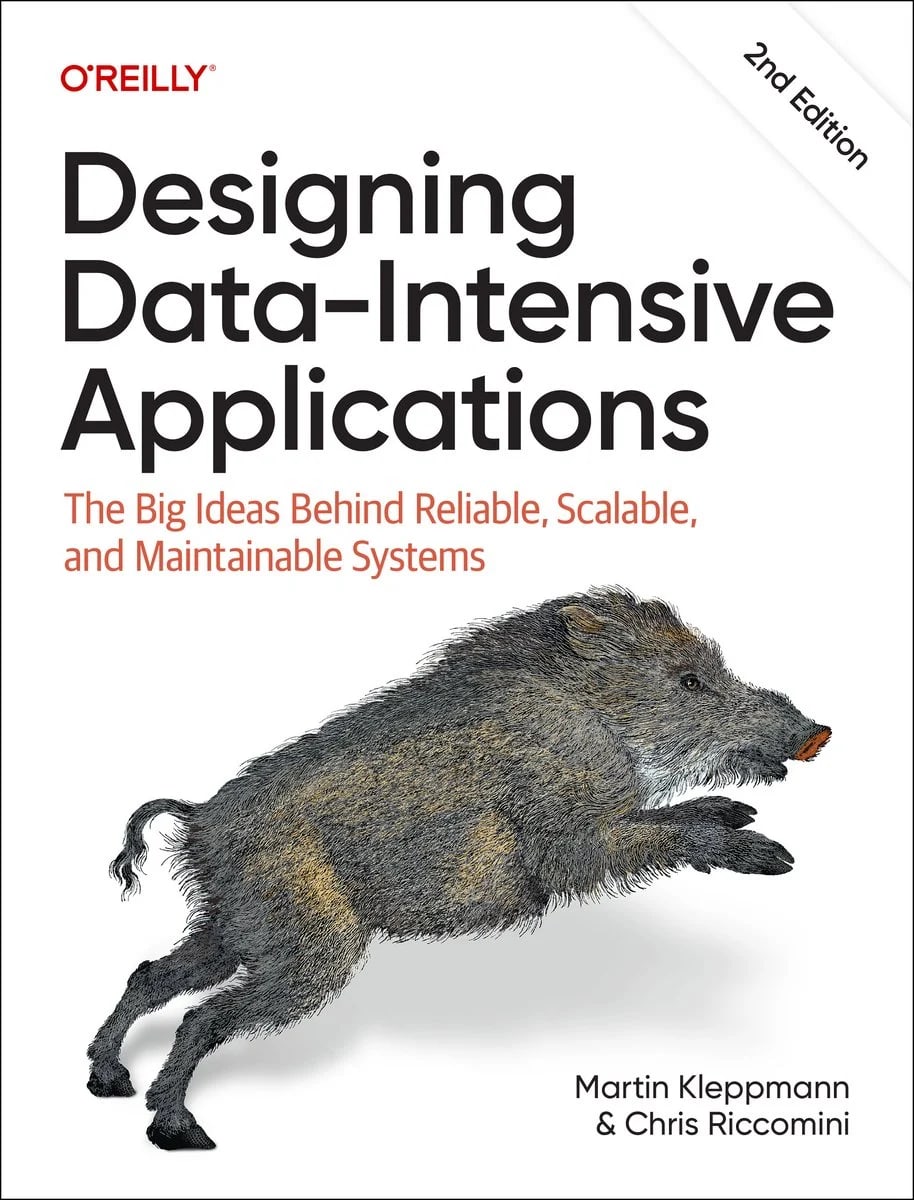
Book
Martin Kleppmann
Explains how to design systems that evolve through events, state, and asynchronous coordination rather than linear transactions. Makes time, sequence, and accumulation explicit as the basis of system behavior.
Knowledge Flow
- Patterns & Temporal Intelligence
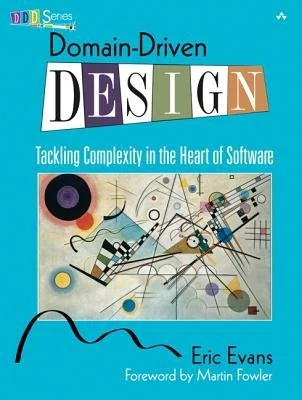
Book
Tackling Complexity in the Heart of Software
Eric Evans
Complex software should be shaped around the domain it serves. Domain-Driven Design introduces practices for aligning code, language, models, and collaboration around shared business understanding.
Book
The Collected Papers of Mary Parker Follett
Mary Parker Follett
Authority should emerge from the situation, not merely from hierarchy. Dynamic Administration presents Mary Parker Follett's pioneering ideas on integration, conflict, participation, and collaborative power.
Book
The Connected Lives of Ants, Brains, Cities, and Software
Steven Johnson
Complex order can arise without central control. Emergence explores how ants, cities, brains, and software produce adaptive patterns through local interactions over time.
Knowledge Flow
- Patterns & Temporal Intelligence
Book
Experience as the Source of Learning and Development
David Kolb
A foundational exploration of learning as a cyclical process of experience, reflection, conceptualization, and experimentation rather than passive information transfer.
Book
Empowering Teams to Make Architectural Decisions
Andrew Harmel-Law
Software architecture is not only a technical discipline; it is a facilitated social practice. Facilitating Software Architecture focuses on helping groups make architectural decisions through collaboration, context, and shared ownership.
Book
Time Management for Mortals
Oliver Burkeman
Human life is finite, and no productivity system can overcome that reality. Four Thousand Weeks reframes time management around limits, attention, and meaningful choice.
Knowledge Flow
- Patterns & Temporal Intelligence

Book
Mortimer Adler, Charles Van Doren
Reading is an active practice, not passive consumption. How to Read a Book teaches readers to engage deeply with arguments, questions, and ideas across levels of complexity.
Book
One Simple Technique to Boost Writing, Learning and Thinking
Sönke Ahrens
Knowledge does not emerge from collecting information; it emerges from creating connections between ideas. How to Take Smart Notes presents note-making as a living system for developing insight over time.
Knowledge Flow
- Knowledge Architecture
- Knowledge Repositories · contextualizes
Book
and Other Tools for Thinking
Daniel Dennett
Thinking can be improved through tools that make ideas easier to examine. Intuition Pumps collects thought experiments and reasoning practices that help people test assumptions and sharpen understanding.
Book
Discovering Order in a Chaotic World
Margaret Wheatley
A systems-oriented exploration of leadership and organizational life that reframes organizations as living systems shaped by relationship, emergence, and participation rather than mechanical control.
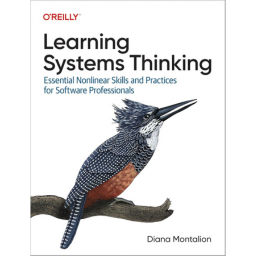
Book
Essential Non-Linear Skills and Practices for Software Professionals
Diana Montalion
Learning Systems Thinking introduces systems thinking as a learnable, practice-based skill, helping people see beyond events to the structures, patterns, and mental models shaping real-world outcomes.
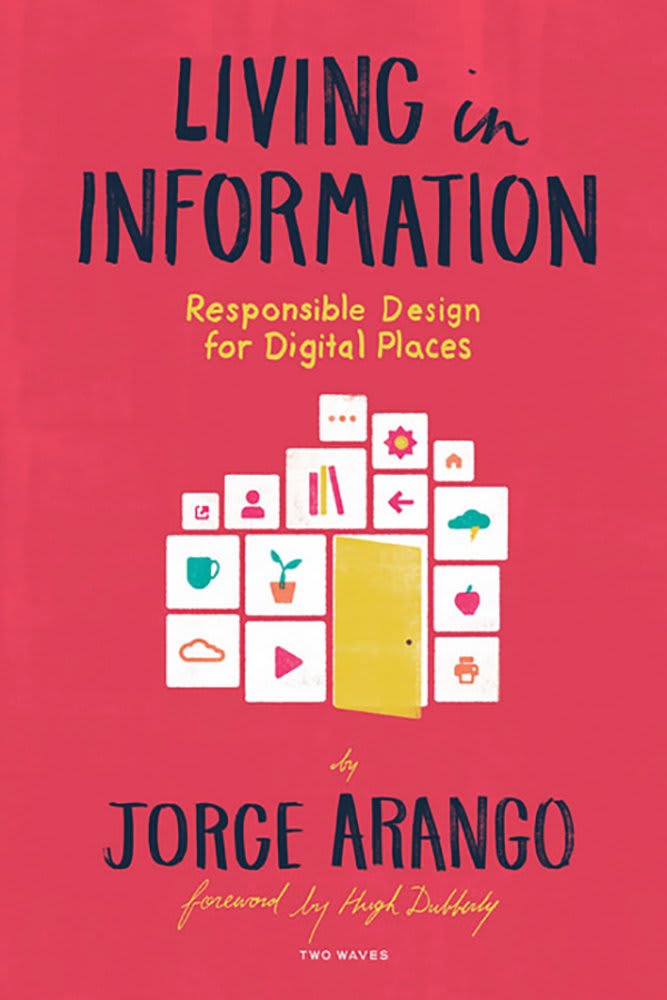
Book
Jorge Arango
Websites and apps are places where critical parts of our lives happen. We shop, bank, learn, gossip, and select our leaders there. But many of these places weren't intended to support these activities.

Book
David Bohm
Dialogue is a practice of shared inquiry rather than debate. David Bohm explores how groups can suspend assumptions, listen together, and discover patterns of thought that remain invisible in ordinary conversation.
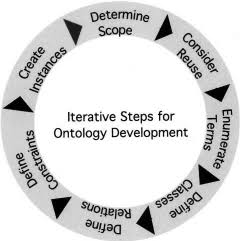
Book
A Guide to Creating Your First Ontology
Natalya Noy, Deborah McGuinness
Ontologies make domain meaning explicit so people and systems can share concepts consistently. Ontology Development 101 introduces practical steps for defining classes, relationships, properties, and instances in a usable knowledge model.
Knowledge Flow
- Knowledge Architecture
- Knowledge Structures · contextualizes

Book
Theory, Method, and Practice
Chris Argyris, Donald Schon
A deep exploration of how organizations learn, adapt, defend existing assumptions, and often unintentionally prevent the very learning they need most.

Book
Martin Fowler
Enterprise systems repeatedly encounter similar structural problems. Patterns of Enterprise Application Architecture captures reusable design knowledge for organizing business logic, data, and application behavior.
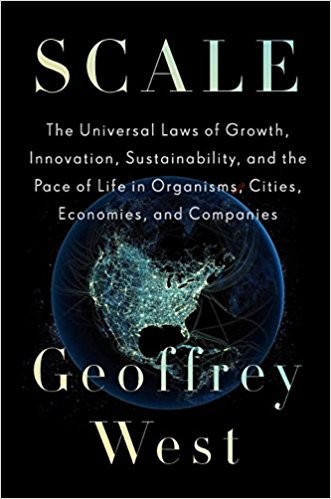
Book
Geoffrey West
Geoffrey West’s Scale reframes organisms, cities, and companies through universal quantitative relationships—scaling laws driven by network geometry—and asks what those regularities reveal about growth, sustainability, and organizational life cycles.
Knowledge Flow
- Patterns & Temporal Intelligence
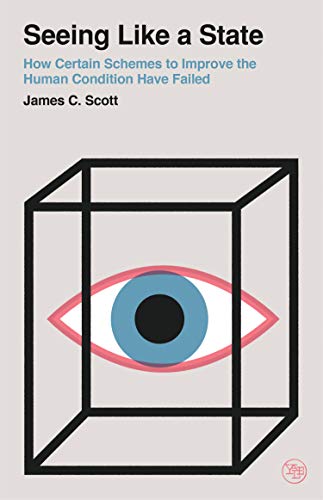
Book
How Certain Schemes to Improve the Human Condition Have Failed
James C. Scott
Large institutions often simplify reality in order to manage it. Seeing Like a State explores how those simplifications can produce unintended consequences when they replace local knowledge and lived experience.
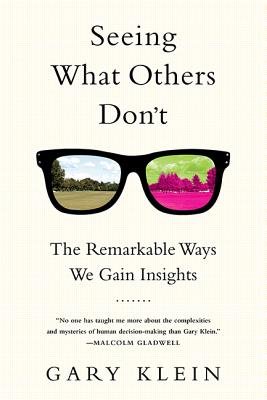
Book
The Remarkable Ways We Gain Insights
Gary Klein
Breakthrough insights rarely arrive through sudden flashes of genius. Seeing What Others Don’t explores how people discover hidden patterns, challenge assumptions, and generate insights that transform understanding.
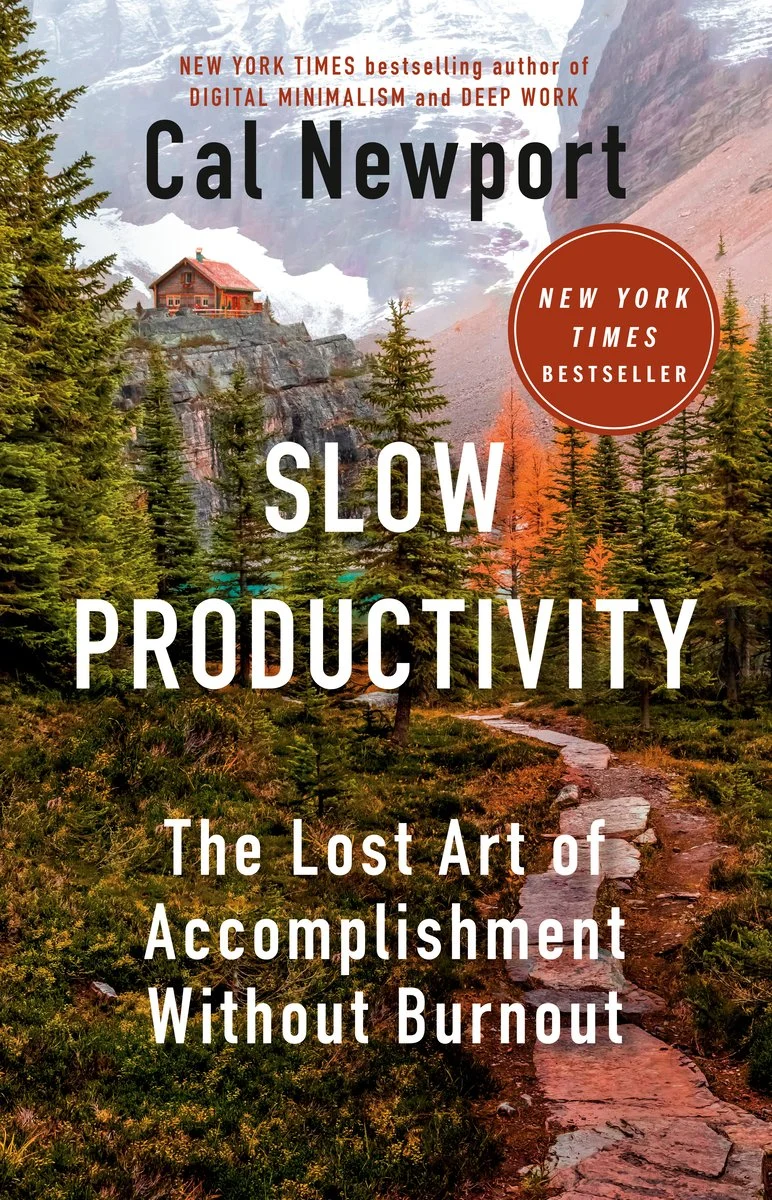
Book
The Lost Art of Accomplishment Without Burnout
Cal Newport
Meaningful work requires sustainable rhythms rather than constant visible busyness. Slow Productivity argues for doing fewer things, working at a natural pace, and obsessing over quality.
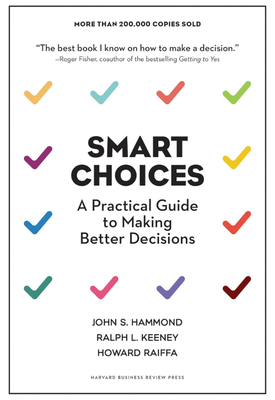
Book
A Practical Guide to Making Better Decisions
John Hammond, Ralph Keeney, Howard Raiffa
Good decisions require more than intuition or analysis alone. Smart Choices offers a practical framework for clarifying objectives, evaluating alternatives, handling uncertainty, and making tradeoffs deliberately.
Knowledge Flow
- Distributed Decision-Making

Book
The Art and Science of Prediction
Philip Tetlock
Some people consistently make better predictions than others—not because they possess special expertise, but because they approach uncertainty differently. Superforecasting explores the habits, methods, and mental models that enable more accurate judgment in complex and unpredictable environments.
Book
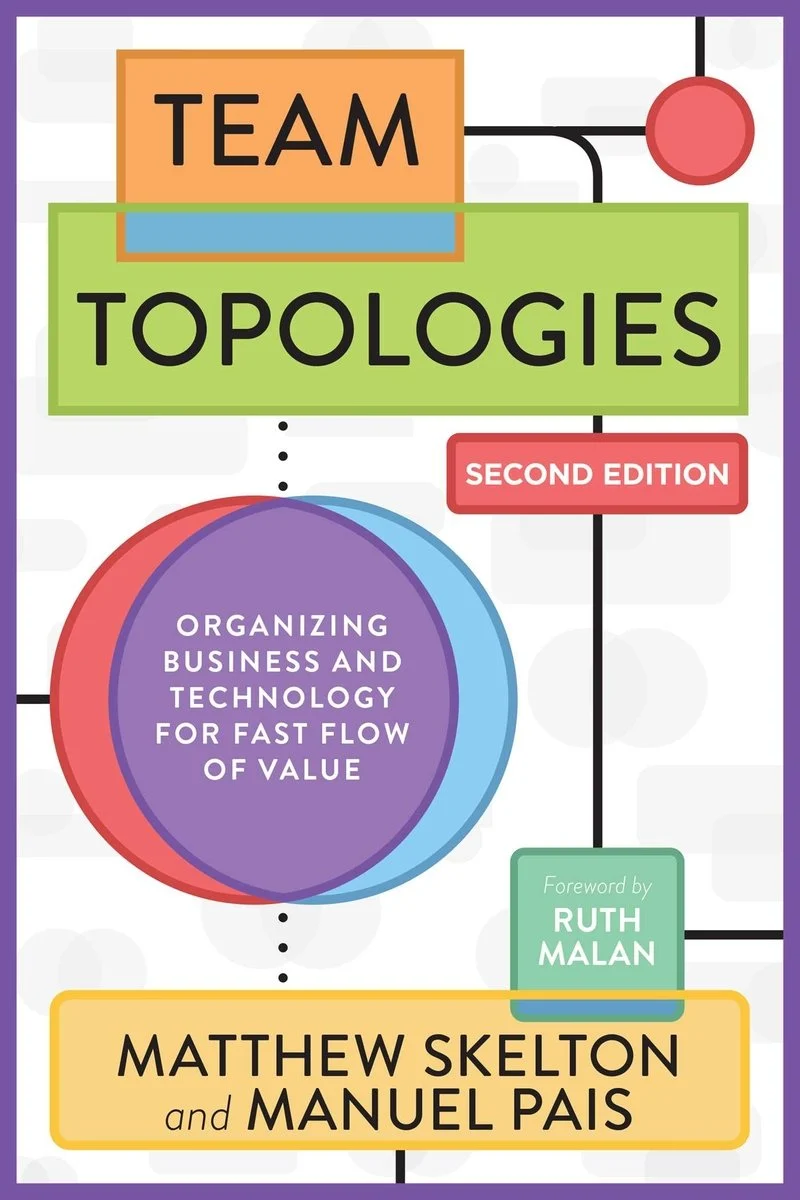
Organizing Business and Technology for Fast Flow of Value
Matthew Skelton, Manuel Pais
Communication structures shape system outcomes. Team Topologies shows how organizations can design teams and interaction modes to improve flow, reduce cognitive load, and support adaptive delivery.
Book
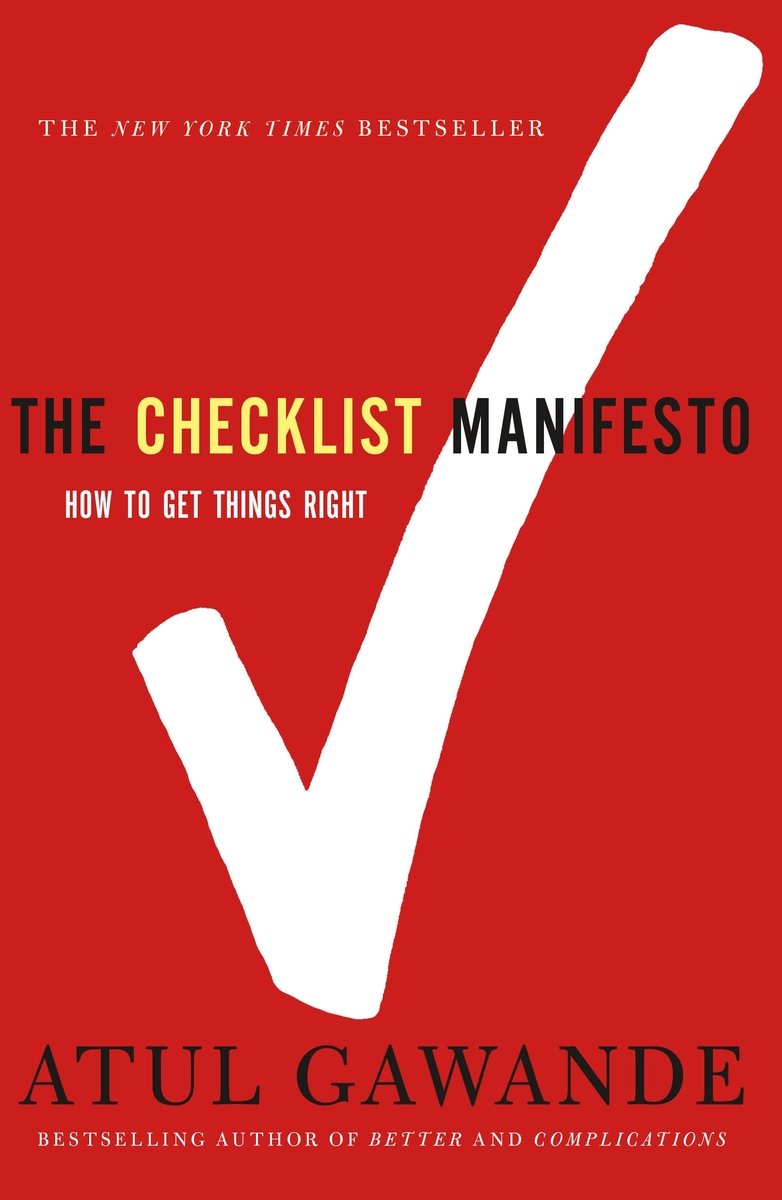
How to Get Things Right
Atul Gawande
Complex work fails when essential knowledge is not reliably enacted. The Checklist Manifesto shows how simple structures can support attention, coordination, and safer performance in high-stakes environments.

Book
How to Change Your Life and Achieve Real Happiness
Ichiro Kishimi, Fumitake Koga
Freedom requires refusing to live entirely inside other people's approval. The Courage to Be Disliked presents Adlerian ideas about responsibility, belonging, and interpersonal courage through a philosophical dialogue.
Book
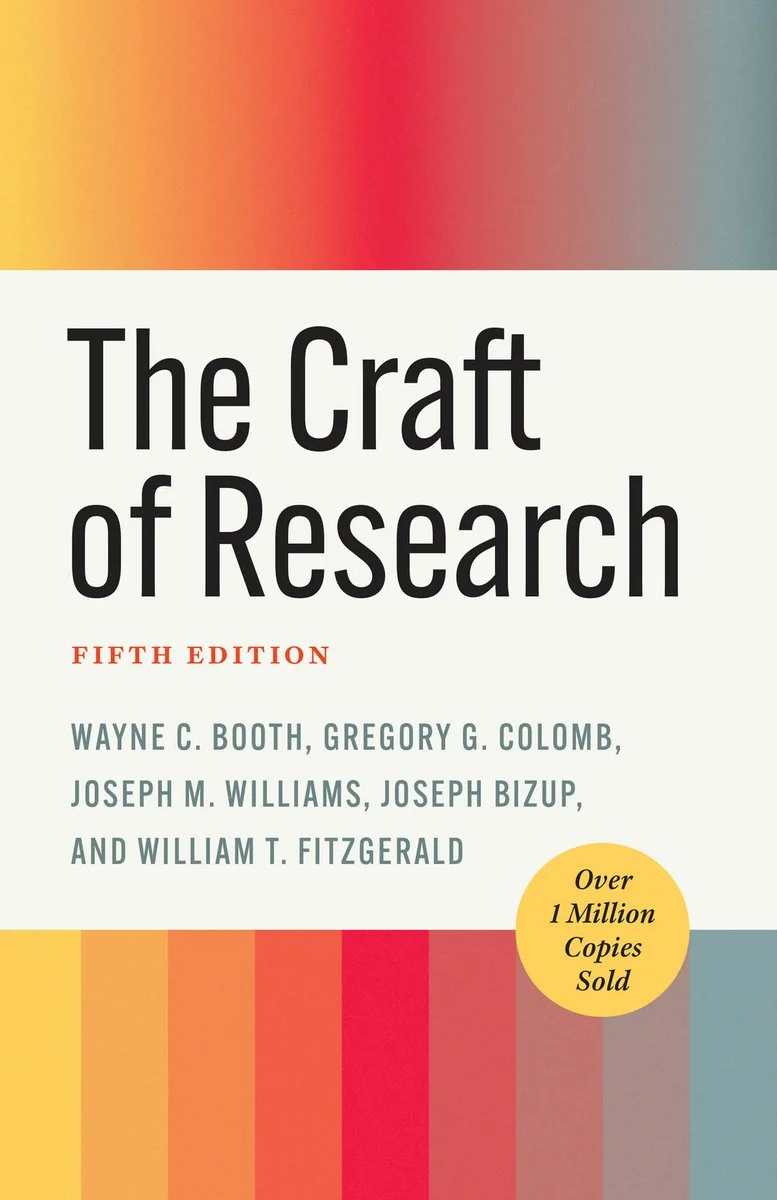
Wayne Booth, Gregory Colomb, Joseph Williams
Research is not merely finding information; it is forming questions, claims, evidence, and arguments that others can evaluate. The Craft of Research teaches inquiry as a disciplined process of knowledge creation.
Book
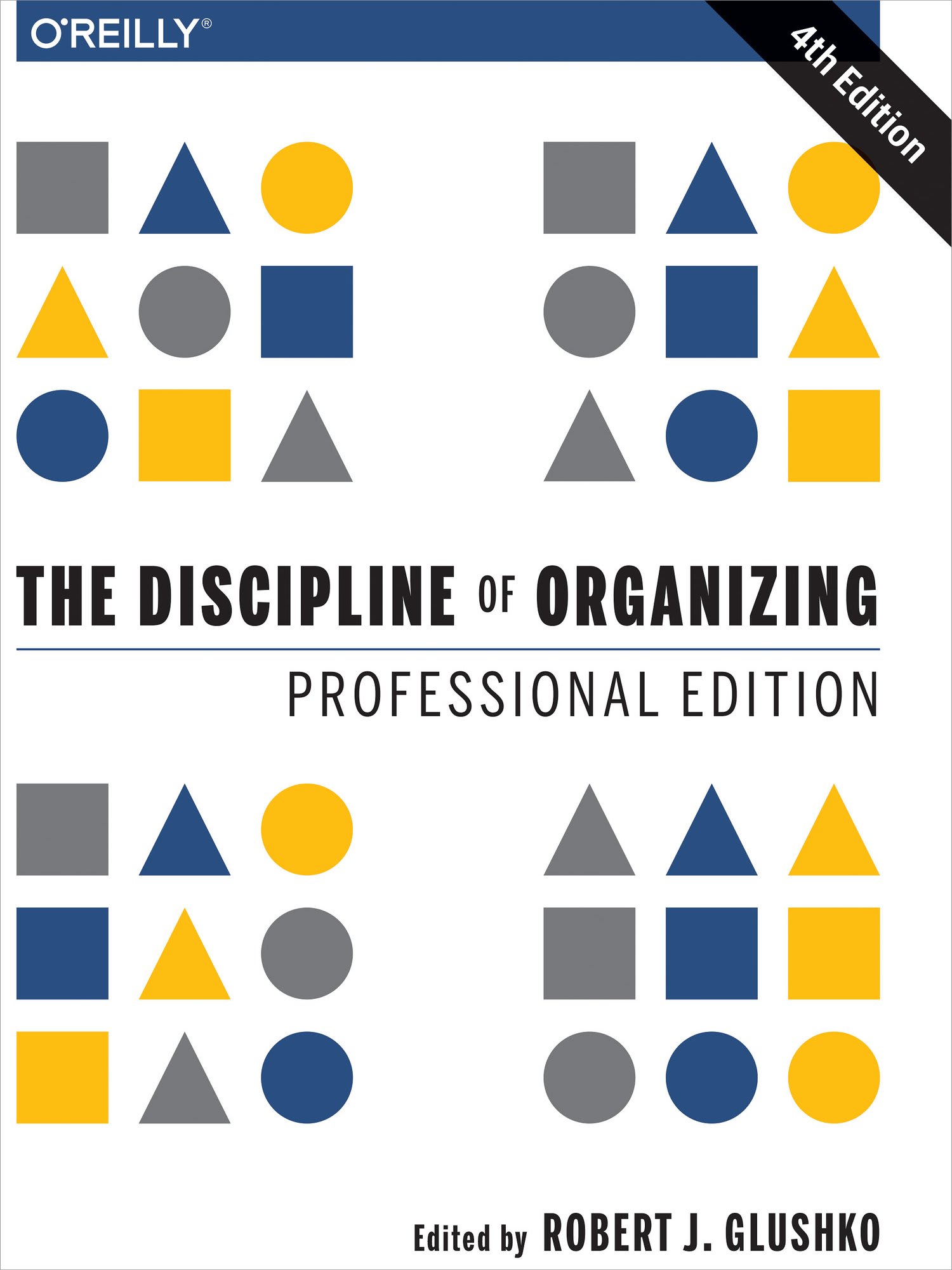
Professional Edition
Robert J. Glushko
We organize things. We organize information, information about things, and information about information. Organizing is how we create understanding.
Knowledge Flow
- Knowledge Architecture
- Knowledge Repositories
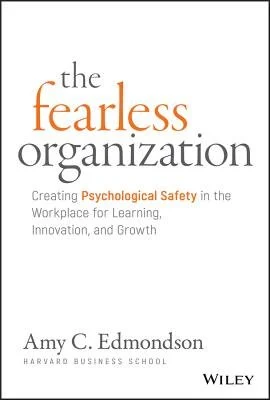
Book
Creating Psychological Safety in the Workplace for Learning, Innovation, and Growth
Amy Edmondson
An exploration of psychological safety and organizational learning that reveals how trust and interpersonal conditions shape a system’s ability to surface knowledge, uncertainty, and error.
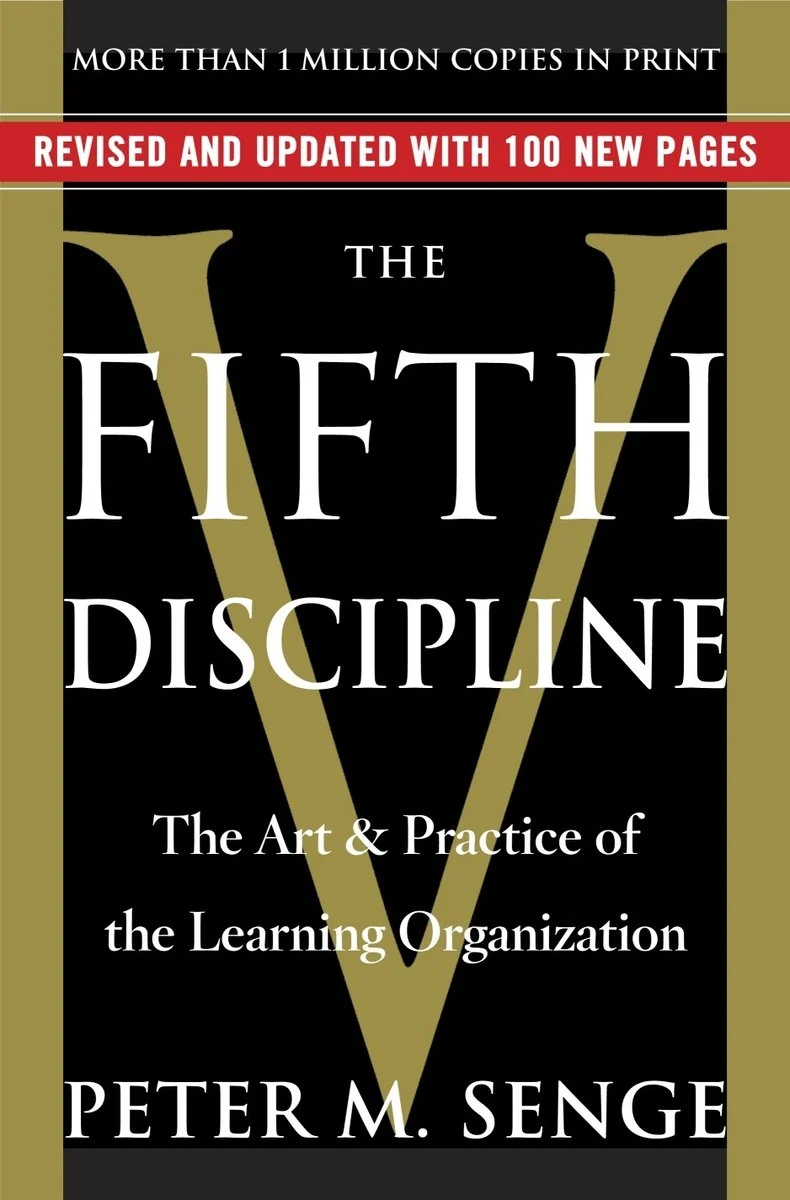
Book
The Art & Practice of The Learning Organization
Peter M Senge
A foundational exploration of learning organizations and systems thinking that examines how groups cultivate collective intelligence, reflection, and adaptive capacity.
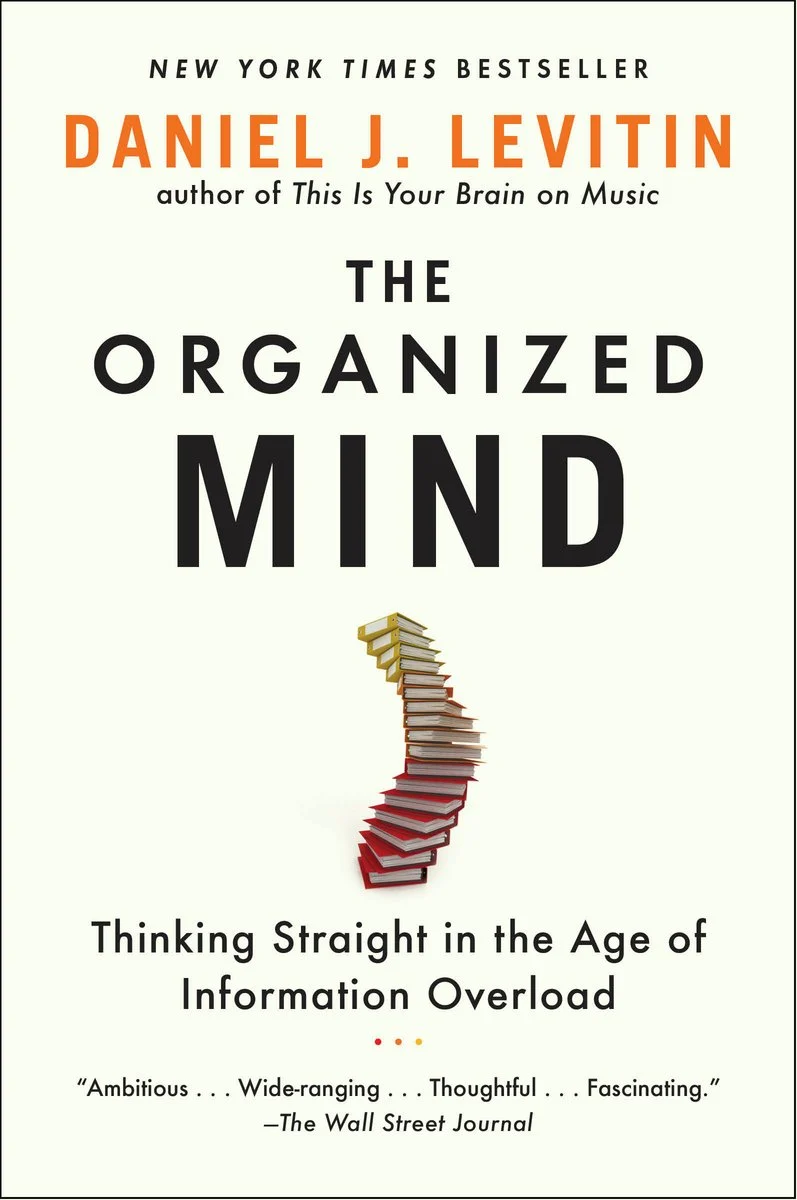
Book
Thinking Straight in the Age of Information Overload
Daniel J. Levitin
Modern life overwhelms attention with more information than the mind can hold. The Organized Mind explains how external structures, habits, and environments can reduce cognitive load and improve decision-making.
Book
A New Foundation for Design
Klaus Krippendorff
Design is shifting from making objects to shaping meanings. The Semantic Turn argues that people interact with artifacts through interpretation, language, and use rather than through function alone.
Knowledge Flow
- Knowledge Architecture
- Knowledge Structures · contextualizes
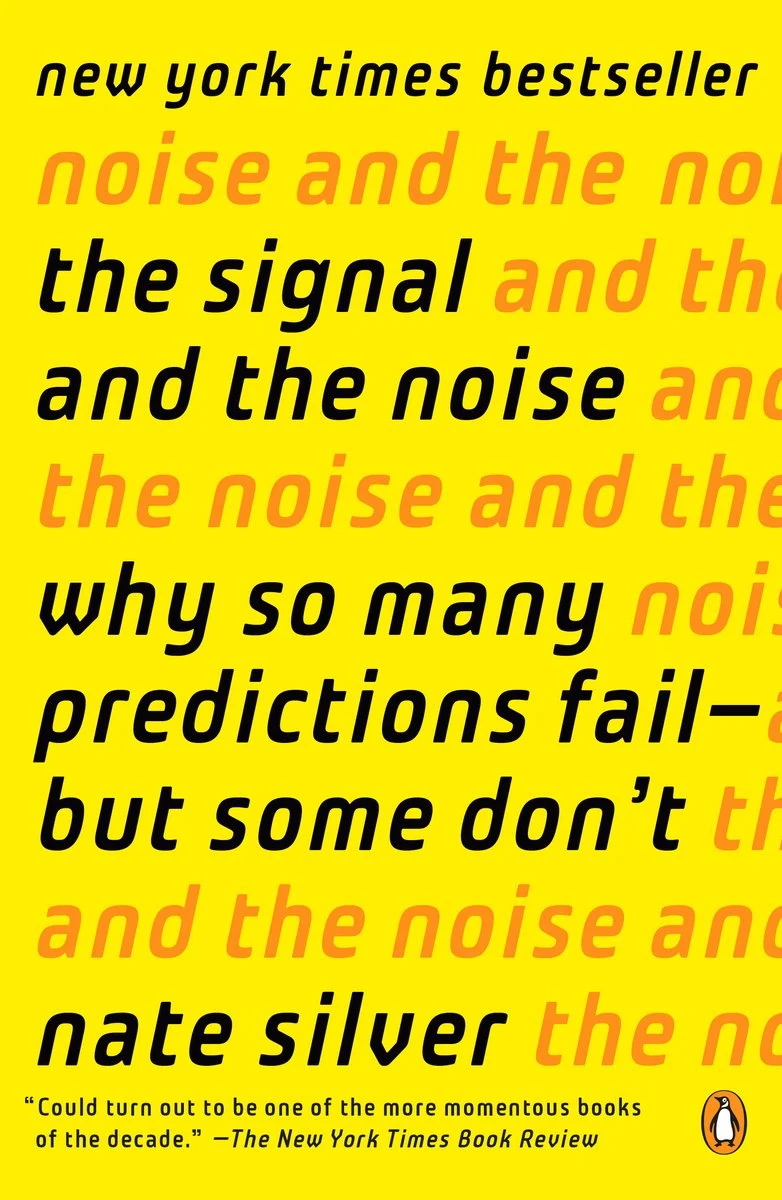
Book
Why So Many Predictions Fail--but Some Don't
Nate Silver
Better prediction depends on separating meaningful signals from overwhelming noise. The Signal and the Noise explores forecasting, probability, uncertainty, and the limits of models.
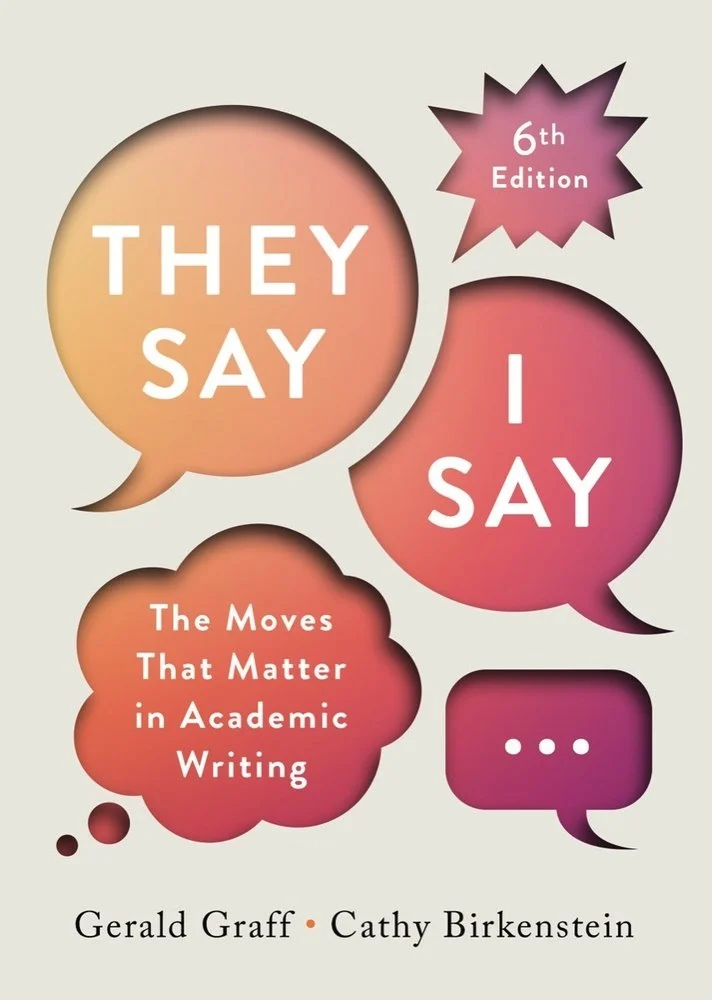
Book
Gerald Graff, Cathy Birkenstein
Ideas develop in conversation with other ideas. They Say / I Say teaches writers how to enter intellectual conversations by connecting their claims to what others have said.
Book
Learning improves when people understand which study practices actually work. Thinking About Thinking examines metacognition, learning strategies, and evidence-based approaches to improving understanding.
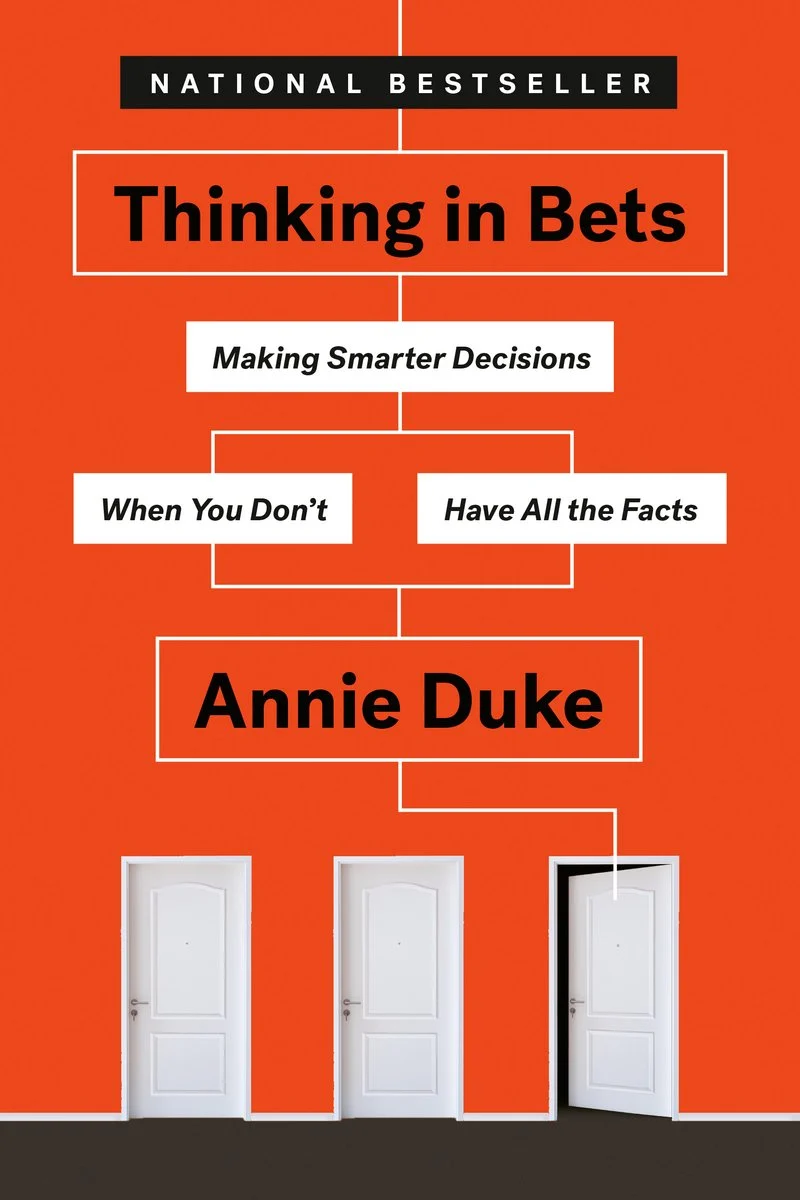
Book
xxx
Annie Duke
A practical exploration of decision-making under uncertainty that reframes thinking as probabilistic, adaptive, and continually open to revision.
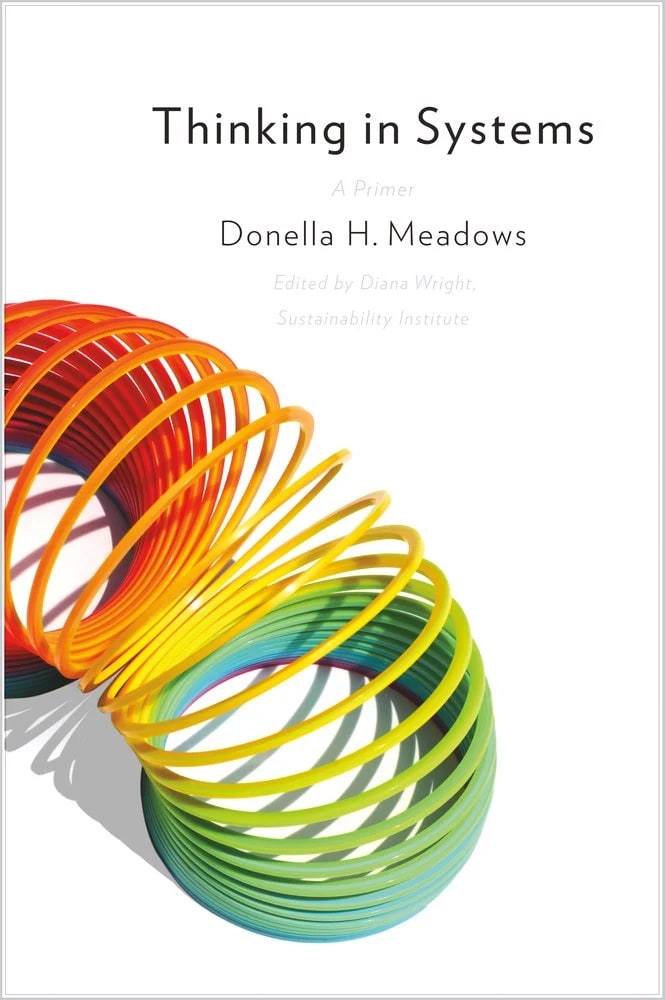
Book
A Primer
Donella H. Meadows
An accessible introduction to systems thinking that reveals how feedback loops, delays, structures, and mental models shape the behavior of complex systems over time.
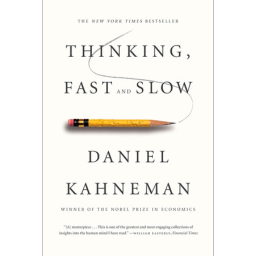
Book
Daniel Kahneman
Human beings do not think as rationally or consistently as they often believe. Thinking, Fast and Slow explores the cognitive shortcuts, biases, and mental processes that shape judgment, decision-making, and belief.
Knowledge Flow
- Thinking Systems
- Epistemic (Anti)Patterns · contextualizes
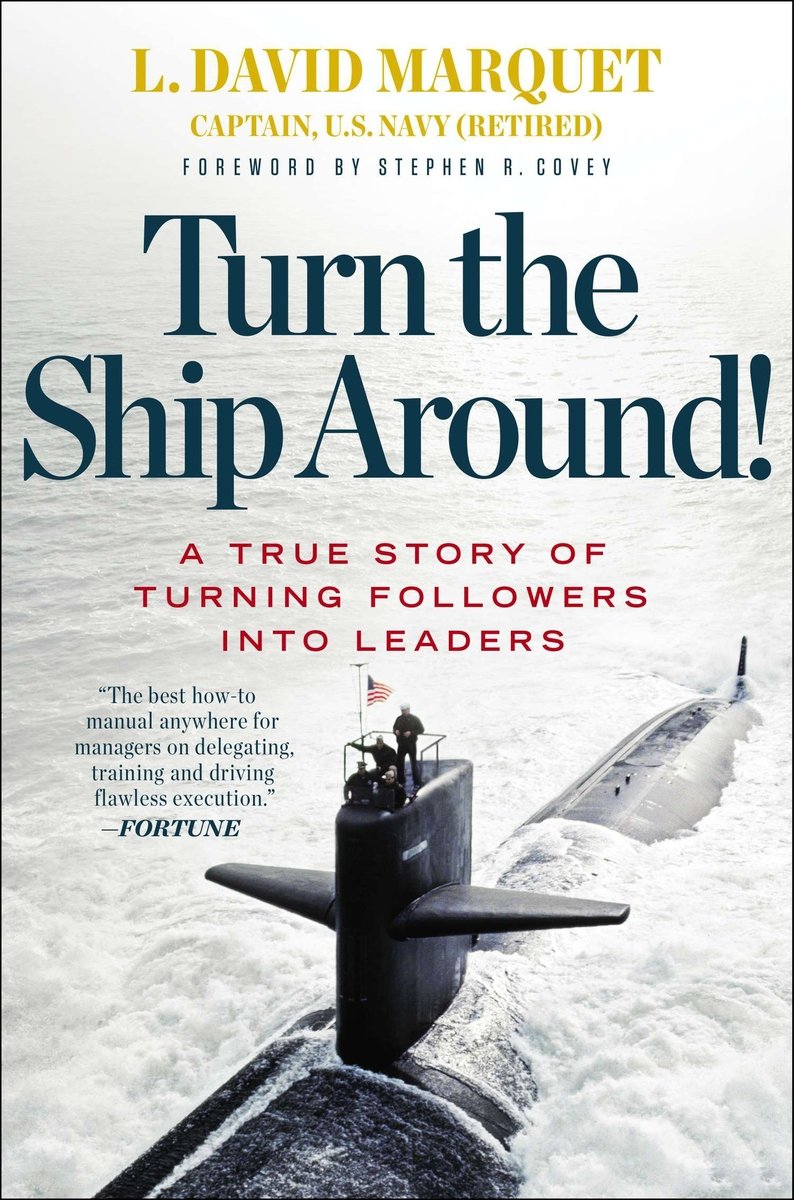
Book
A True Story of Turning Followers Into Leaders
David Marquet
A leadership memoir and organizational case study exploring how distributed authority and shared ownership can increase learning, adaptability, and operational intelligence.
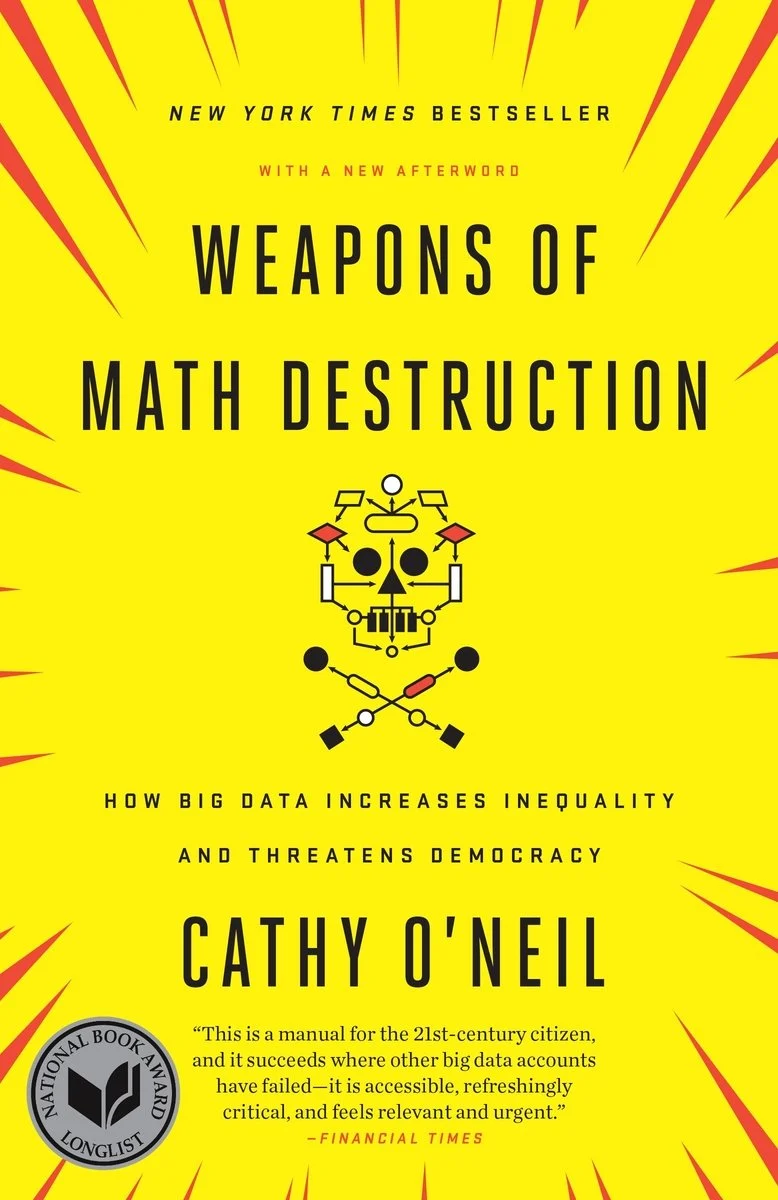
Book
How Big Data Increases Inequality and Threatens Democracy
Cathy O'Neil
Algorithms increasingly shape decisions about education, employment, policing, healthcare, and finance. Weapons of Math Destruction reveals how opaque mathematical models can amplify inequality, reinforce bias, and create large-scale social harm while appearing objective.

Book
Tom R. Tyler
People comply with decisions not only because of outcomes, but because of how decisions are made. Why People Obey the Law demonstrates that legitimacy, fairness, and voice shape trust in authority.
Book
How Organizations Manage What They Know
Laurence Prusak
Working Knowledge explains why knowledge—not data or information—is the true source of organizational value, and shows how social systems, culture, and incentives determine whether knowledge actually produces results.
Knowledge Flow
- Knowledge Repositories · contextualizes
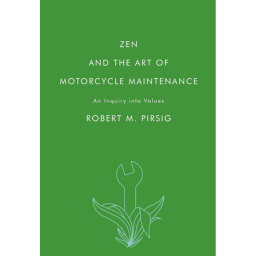
Book
Robert M. Pirsig
A cross-country motorcycle trip exploring the split between rational, technological thinking and lived, human experience.