Book
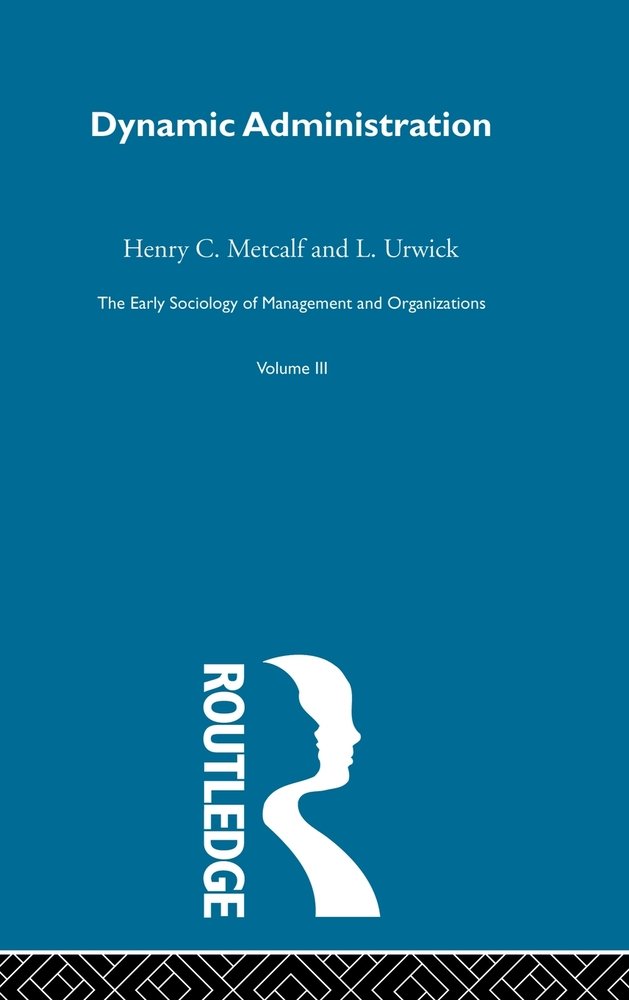
Dynamic Administration
The Collected Papers of Mary Parker Follett
- Mary Parker Follett · Author
Authority should emerge from the situation, not merely from hierarchy. Dynamic Administration presents Mary Parker Follett's pioneering ideas on integration, conflict, participation, and collaborative power.
Find this book ↗Follett's work anticipated many modern ideas in distributed leadership, systems thinking, and organizational democracy. She treats conflict as a source of learning and coordination as a relational achievement.
Mary Parker Follett wrote about management before many modern management categories existed.
Her ideas still feel radical.
She rejected domination as the default model of authority and proposed integration as a higher form of conflict resolution. Rather than one side winning or both sides compromising away what matters, people could work together to discover a new possibility.
Follett also argued that authority should follow the situation. The person with the most relevant knowledge in a particular context should influence the decision, regardless of formal rank.
This makes her work deeply compatible with distributed decision-making.
Leadership becomes the ability to organize collective intelligence around reality.
Why this belongs here
Knowledge Flow depends on moving authority toward knowledge. Follett belongs here because she provides early, powerful language for conflict transformation, situational authority, and collective learning.