People · Systems Library
Robert J. Glushko
Robert J. Glushko is an information scientist and author who defined the unifying framework “discipline of organizing”.
Visit their website ↗Robert J. Glushko is an information scientist, professor at UC Berkeley, and author of The Discipline of Organizing, a foundational text that reframes how we think about organizing information in both human and computational systems. His work bridges libraries, software systems, data modeling, and digital platforms, showing that organizing is not just classification—it is the intentional design of relationships that make information usable. By treating organizing as a cross-disciplinary practice, Glushko provides a shared language for designers, engineers, and knowledge architects to build systems that are coherent, adaptable, and meaningful.
Robert J. Glushko is an information scientist whose work centers on how systems organize resources to support use, understanding, and action. Rather than treating organizing as a narrow technical or academic concern, he frames it as a universal practice—one that spans domains from libraries and archives to software systems, digital platforms, and everyday human activity.
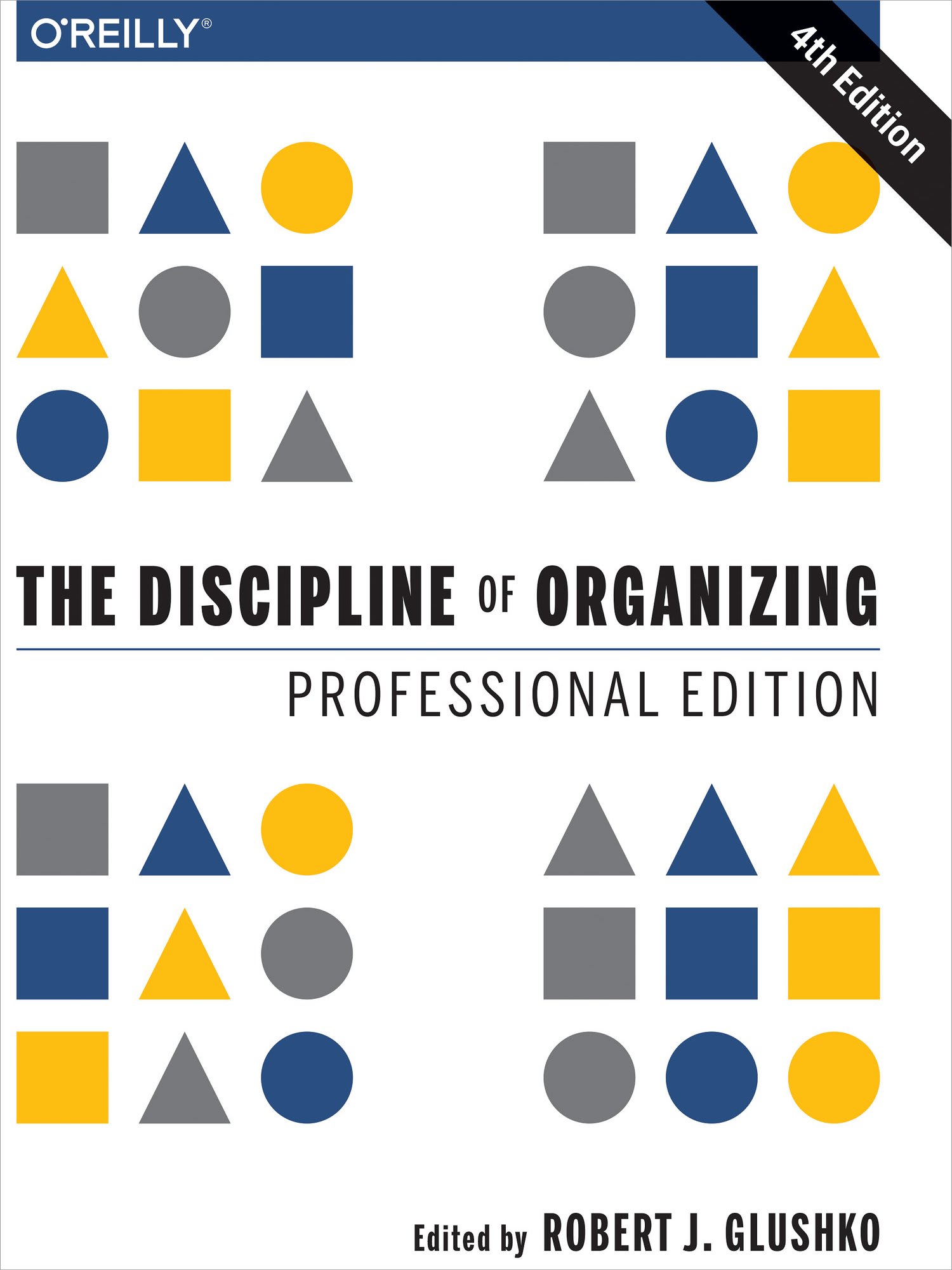
He is best known for The Discipline of Organizing, which offers a unifying framework for analyzing and designing organizing systems. Drawing from computer science, information science, cognitive science, and design, the book presents a flexible model that applies across contexts: databases, APIs, taxonomies, and physical environments alike. At the core of this approach is intent—what relationships are created, for whom, and for what purposes—rather than any specific tool or method.
Glushko’s work shifts attention from individual artifacts to the systems that make them meaningful. Organizing is not just about classification or storage, but about shaping the relationships that determine how information can be found, interpreted, and used over time. In this way, organizing systems become the underlying structure through which understanding—and ultimately action—emerges.
Relevance to Knowledge Flow
Glushko provides a foundational lens for Knowledge Flow: knowledge does not exist in isolation, but emerges through relationships.
Knowledge Flow is concerned with how those relationships are formed, maintained, and evolved over time. When organizing is treated as incidental or purely technical, systems fragment—connections are lost, context disappears, and meaning becomes harder to reconstruct.
By framing organizing as an intentional, system-level practice, Glushko makes it possible to design for coherence. Not just to store or retrieve information, but to create structures that support ongoing understanding, learning, and use.