Book
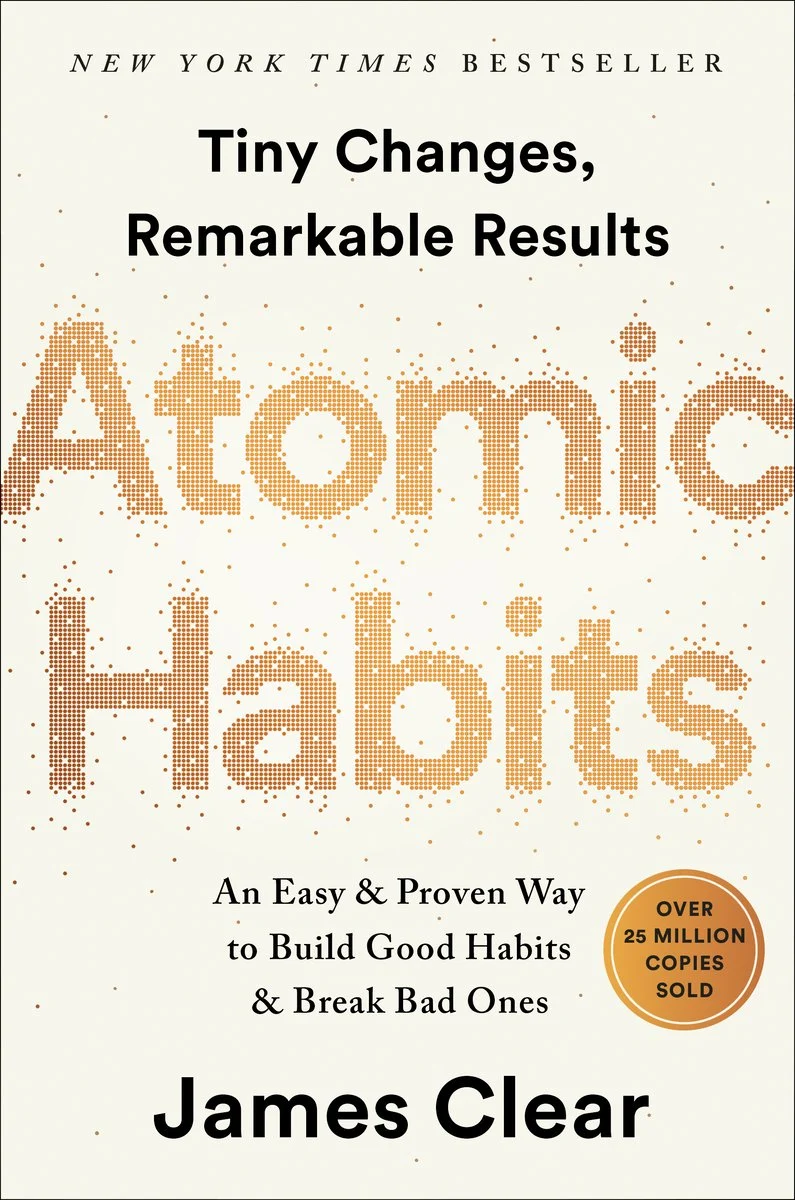
Atomic Habits
An Easy & Proven Way to Build Good Habits & Break Bad Ones
- James Clear · Author
Small repeated actions shape long-term outcomes. Atomic Habits explains how identity, environment, cues, and feedback loops can be designed to support durable behavioral change.
Find this book ↗James Clear presents a practical framework for habit formation based on making behaviors obvious, attractive, easy, and satisfying. The book is useful for learning design because it connects knowledge to repeated practice.
Knowledge does not become capability through exposure alone.
People change through repeated behavior.
Atomic Habits focuses on the tiny actions that compound over time.
Clear emphasizes that habits are shaped by environment as much as willpower.
Cues, friction, rewards, and identity all influence whether a behavior continues.
This makes habit design relevant to learning systems.
A learning experience that does not change practice rarely changes outcomes.
The book offers practical language for designing loops that help knowledge become embodied.Why this belongs here: Knowledge Flow depends on habits, not just insights. This book belongs here because it shows how learning can be supported through repeated, designed behavior.
Why this belongs here
Knowledge Flow depends on habits, not just insights. This book belongs here because it shows how learning can be supported through repeated, designed behavior.